National Assembly urges swift ratification of UK-Kenya defence pact amid BATUK legal uncertainty

The committee proposed that Article 6(5) should be revised to include murder as an offence under the jurisdiction of Kenya.
The National Assembly has endorsed a committee report recommending urgent ratification of the Defence Cooperation Agreement (DCA), citing concerns that the British Army Training Unit (BATUK) is operating in Kenya without clear legal backing.
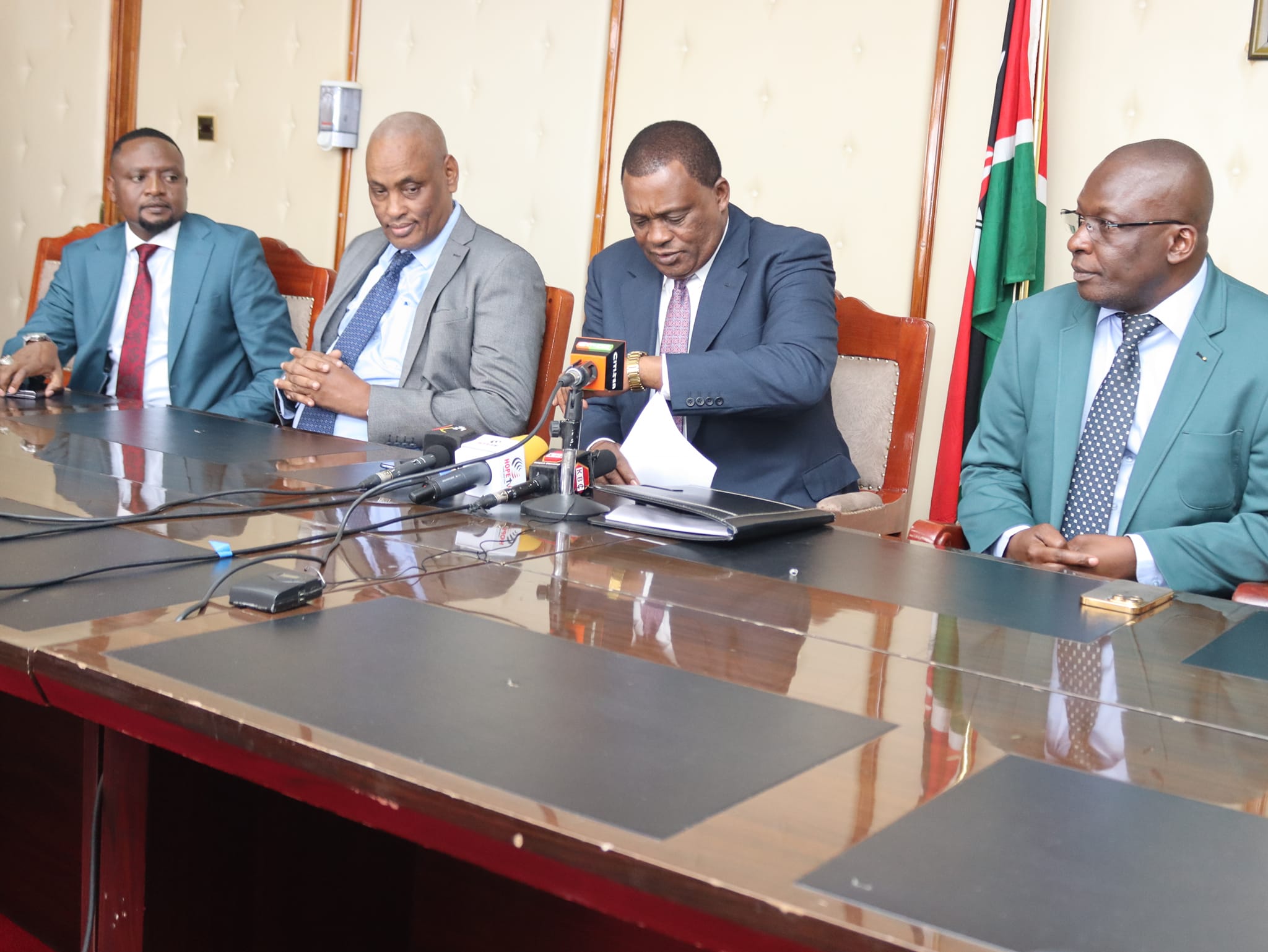
The report, presented by the National Assembly's Departmental Committee on Defence, Intelligence and Foreign Relations, calls for immediate action to resolve the legal limbo surrounding the agreement.
More To Read
- Report links Batuk soldiers to rape, abuse and impunity in Laikipia and Samburu
- High Court sets December 16 mention in Agnes Wanjiru murder case as UK confirms suspect in custody
- Former British soldier facing extradition over Agnes Wanjiru murder denies knowing victim
- BATUK: How 1964 pact shaped Kenya’s military partnership with UK
- UK reaffirms support for justice in Agnes Wanjiru case in response to Kenyan inquiry
- Kenya commences extradition proceedings of British soldier accused of Agnes Wanjiru's murder
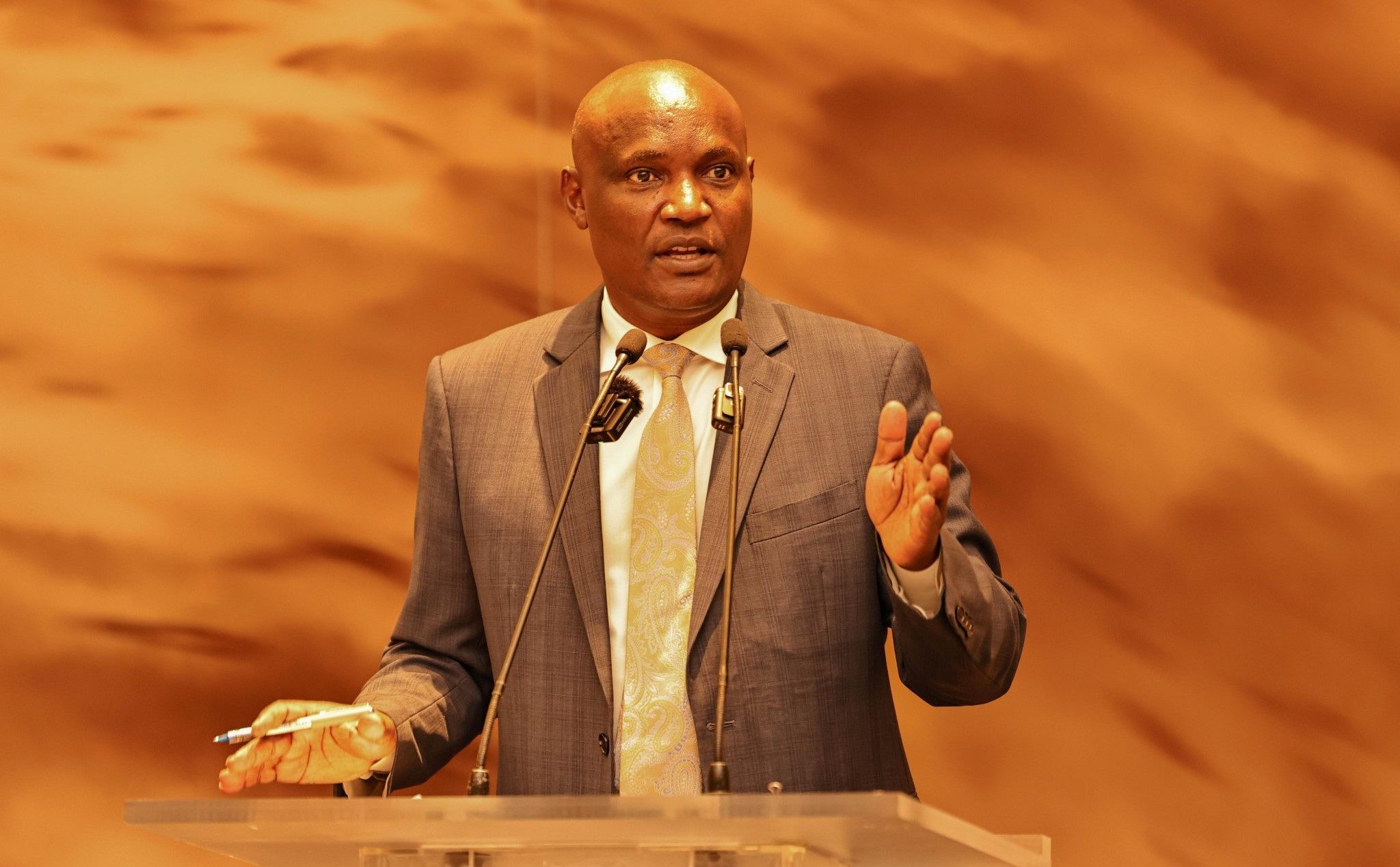
The committee, chaired by Belgut MP Nelson Koech, said the current DCA, which guides BATUK’s presence in Kenya, is in limbo.
“The 2015 DCA expired in 2021, and the 2021 DCA is yet to be ratified by Kenya, raising a legal issue regarding the framework under which BATUK is training and operating in Kenya,” reads the report.
In 2015, Kenya and the United Kingdom signed the first DCA to strengthen defence ties and tackle common security challenges. The agreement came into force on October 11, 2016, under Article 26(2), and was valid for five years. A replacement DCA was signed on July 27, 2021, but it expired on October 6, 2021.
According to the Treaty-Making and Ratification Act, the agreement was submitted to the National Assembly on September 6, 2021, but was not concluded before the end of the 12th Parliament’s term. It was resubmitted on November 22, 2022, and after review, the committee recommended approval with two key amendments.
The committee proposed that Article 6(5) should be revised to include murder as an offence under the jurisdiction of Kenya, noting that the current DCA exempts murder from local jurisdiction. It also recommended amending Article 23 to incorporate Corporate Social Responsibility provisions.
“This report was tabled in the House on March 21, 2023, and was thereafter debated and adopted by the House on April 13, 2023, thereby approving the ratification of the DCA with the aforementioned reservations,” vice committee chairperson Abdullahi Bashir Sheikh said.
Abdullahi added that the DCA is yet to be ratified due to unresolved issues between the UK and Kenya after the House approved ratification with the noted reservations.
He explained that an analysis of the 2015 DCA showed ambiguities in Article 26(5), which covers jurisdiction, civil claims, liabilities, information protection, and financial arrangements.
“The agreement is ambiguous as to whether these provisions provide a lifeline for the entire expired provisions,” he said.
Abdullahi added, “Therefore, the legal status of the Defence Cooperation Agreement (DCA) between the United Kingdom and Kenya must be swiftly resolved.”
“I know that we have a DCA that is in limbo. Its legal status needs to be looked into so that we know where both countries stand at this point in time. It is important that the Executive also resolves the matter of the DCA so that we do not have a situation where a foreign force is here in the country without any legal backing.”
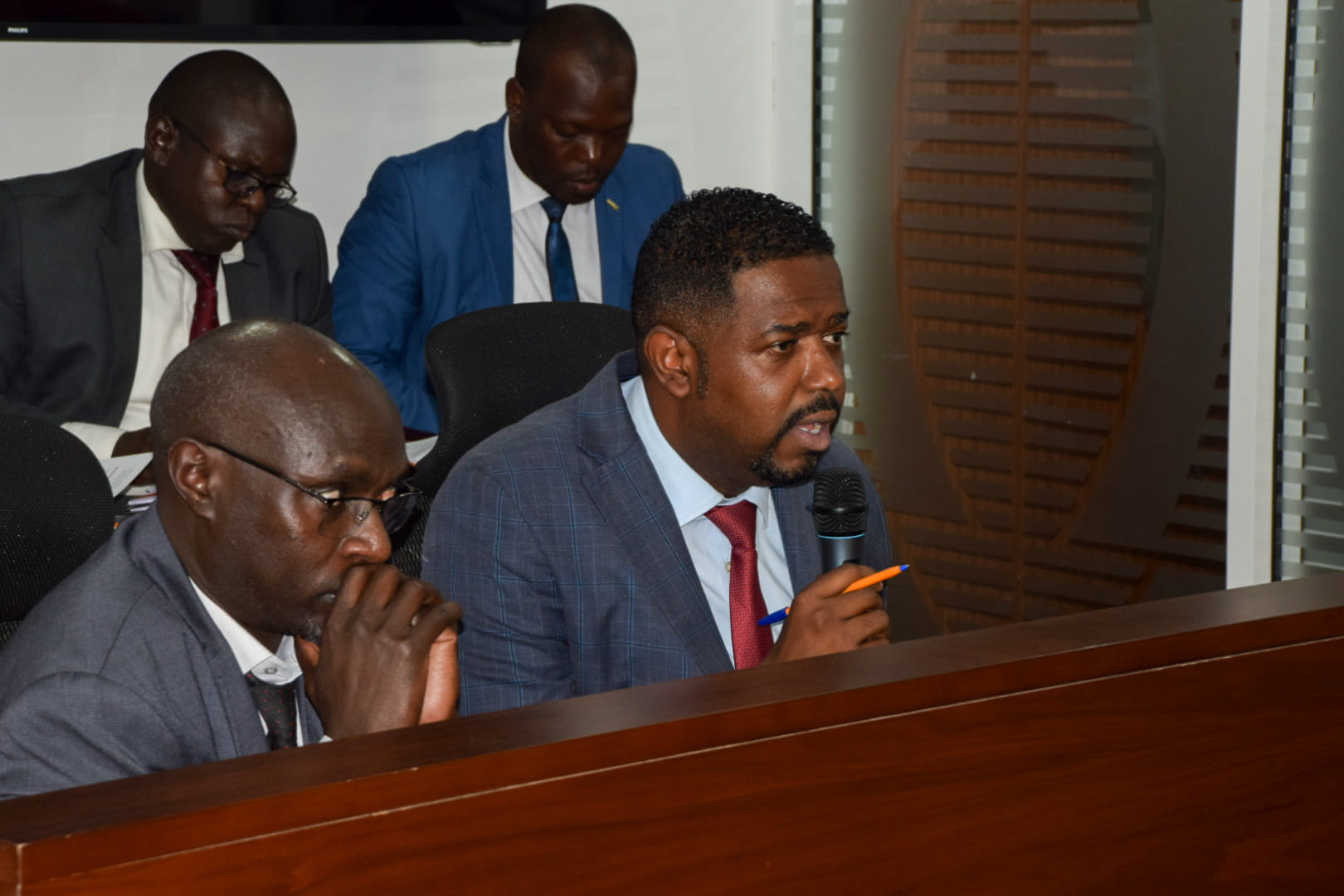
Abdullahi also highlighted challenges the committee faced in obtaining cooperation from Batuk.
“Despite multiple correspondences, BATUK reported a pattern of unresponsiveness and evasion, frustrating the committee’s constitutional mandate to establish the facts surrounding serious allegations made by citizens,” he said.
“The BATUK consistently invoked immunity, citing provisions of the DCA, and evaded direct engagement with the committee. Instead, they channelled their communication to the committee through the Ministry of Foreign and Diaspora Affairs and the Ministry of Defence, thereby undermining the inquiry.”
Despite repeated summons issued under Article 125 of the Constitution, he said BATUK officials declined to appear before the committee, and instead routed all communication through the Ministry of Defence and the Ministry of Foreign and Diaspora Affairs.
Top Stories Today